

When is Tree Removal the Only Safe Option?
April 21, 2026
Trees provide beauty, shade, and environmental benefits to landscapes, but not all trees can remain safely in their original location indefinitely. Homeowners and property managers often face situations where a tree, once healthy and thriving, becomes a potential hazard. Understanding when tree removal is the only safe option is critical for maintaining safety, protecting property, and preserving the surrounding ecosystem. Making the right decision requires knowledge of tree health, structural integrity, and the specific risks associated with certain tree conditions. Ignoring these signs can not only compromise safety but also affect the long-term health of nearby trees and plant life, potentially creating a cascading effect of damage across the landscape.
Determining the need for tree removal involves evaluating multiple factors, including visible decay, root stability, disease progression, and environmental threats. Ignoring warning signs can result in property damage, injury, or even fatalities, making proactive assessment essential. While pruning or treatment may resolve some issues, there are scenarios where removal is the safest and most responsible course of action. This guide explores common situations that necessitate tree removal, explains the rationale behind these decisions, and provides actionable insights to help property owners make informed choices. By understanding these factors, property managers can prioritize safety while maintaining the health and aesthetic value of their landscape. Additionally, proper timing and professional guidance in tree removal can prevent emergencies and reduce long-term maintenance costs.
Assessing Tree Health and Structural Stability
Signs of Decay and Disease
Trees with visible signs of decay, such as cavities, hollow trunks, or significant fungal growth, often indicate internal structural weakness. Fungal fruiting bodies, commonly seen on the bark or at the base of the tree, are especially concerning because they thrive on decomposing wood. When decay compromises the internal framework, even seemingly healthy branches can become prone to sudden failure.
Diseases such as oak wilt, Dutch elm disease, or sudden oak death can rapidly deteriorate a tree’s structural integrity. Early detection is critical; however, in many cases, treatment options are limited or ineffective, making removal the safest alternative. Ignoring these symptoms risks branch or full-tree failure during storms, endangering nearby structures and people.
Root and Trunk Instability
Root damage from soil compaction, construction activity, or invasive species can severely affect tree stability. A tree with exposed, decayed, or girdling roots may be at high risk of falling. Similarly, leaning trees or those with trunk cracks require careful evaluation. Even minor shifts can lead to catastrophic failure under strong winds or heavy precipitation.
Expert assessment often involves measuring root depth, inspecting soil health, and examining trunk integrity. When structural deficiencies are beyond repair, removal ensures safety for both property and occupants, preventing potential liabilities.
Environmental and Safety Considerations
Proximity to Structures and Utilities
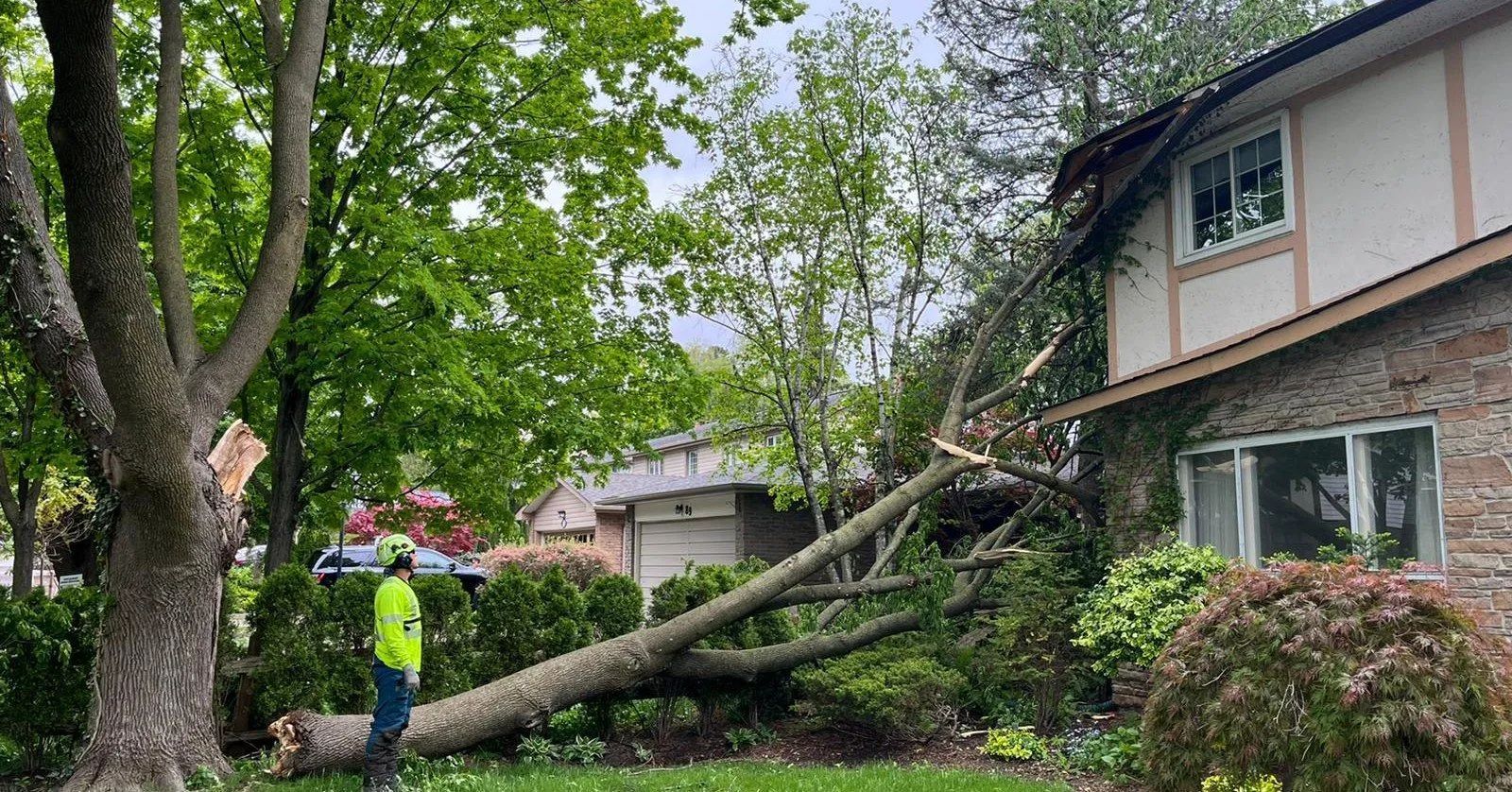
Trees located near homes, power lines, or roadways require additional scrutiny. Branches overhanging a roof or encroaching on utility lines present significant hazards. Storms can exacerbate these risks, causing falling limbs or entire trees to damage roofs, vehicles, or power infrastructure.
Proactive removal is often the safest approach for high-risk trees, particularly those that cannot be pruned without creating further structural imbalance. Clearance guidelines for trees near utilities are strict for a reason: preventing injury, outages, and costly repairs.
Weather and Environmental Stress
Extreme weather events, such as heavy winds, ice storms, and flooding, place additional stress on trees. Trees with compromised root systems or brittle branches are particularly vulnerable. Soil erosion and waterlogging can further destabilize trees, increasing the likelihood of toppling.
Removing trees in environmentally sensitive locations, especially before peak storm seasons, mitigates risks and protects surrounding property. While preventive pruning may help some species, removal is often the only option for trees already weakened by repeated environmental stressors.
Situations Necessitating Tree Removal
Irreparable Disease or Infestation
Certain tree diseases and pest infestations can spread rapidly and irreversibly. For example, emerald ash borer infestations destroy ash trees from the inside out, leaving them structurally unsound. Infected trees also serve as reservoirs for pests, threatening nearby healthy vegetation.
Removal of infected trees halts the spread of disease, safeguarding the broader landscape. While chemical treatments exist for some conditions, severe infestations often render treatment ineffective. Removing the tree eliminates the immediate hazard and prevents a cascading effect of damage.
Severe Structural Damage
Trees that have suffered significant storm damage or mechanical injury may develop cracks, splits, or major branch loss. Even partial failure can compromise stability and increase risk to nearby areas.
For example, a tree struck by lightning may appear stable initially but can have hidden internal fractures. Trees with split trunks or extensive limb loss may not recover fully, and removal ensures public safety. Experts consider factors such as canopy weight distribution, trunk soundness, and branch attachment when recommending removal.
Overcrowding and Landscape Management
Trees planted too closely together compete for sunlight, nutrients, and water, weakening their overall health. In urban or suburban settings, overcrowding can result in structural imbalances, where one tree’s growth threatens the integrity of neighboring trees.
Removal of select trees in such scenarios not only reduces risk but also improves the health and longevity of remaining vegetation. Strategic removal supports sustainable landscape management, enhancing both safety and aesthetic appeal.
Best Practices for Safe Tree Removal
Professional Assessment and Planning
A detailed evaluation by certified arborists is essential before removal. Experts assess tree species, structural stability, disease presence, root condition, and environmental factors. This assessment determines whether removal is necessary or if alternatives like pruning, cabling, or pest treatment are viable.
Planning also involves selecting appropriate equipment, determining access points, and creating a hazard mitigation strategy. Safety is paramount, especially when working near structures, power lines, or public spaces.
Controlled Removal Techniques
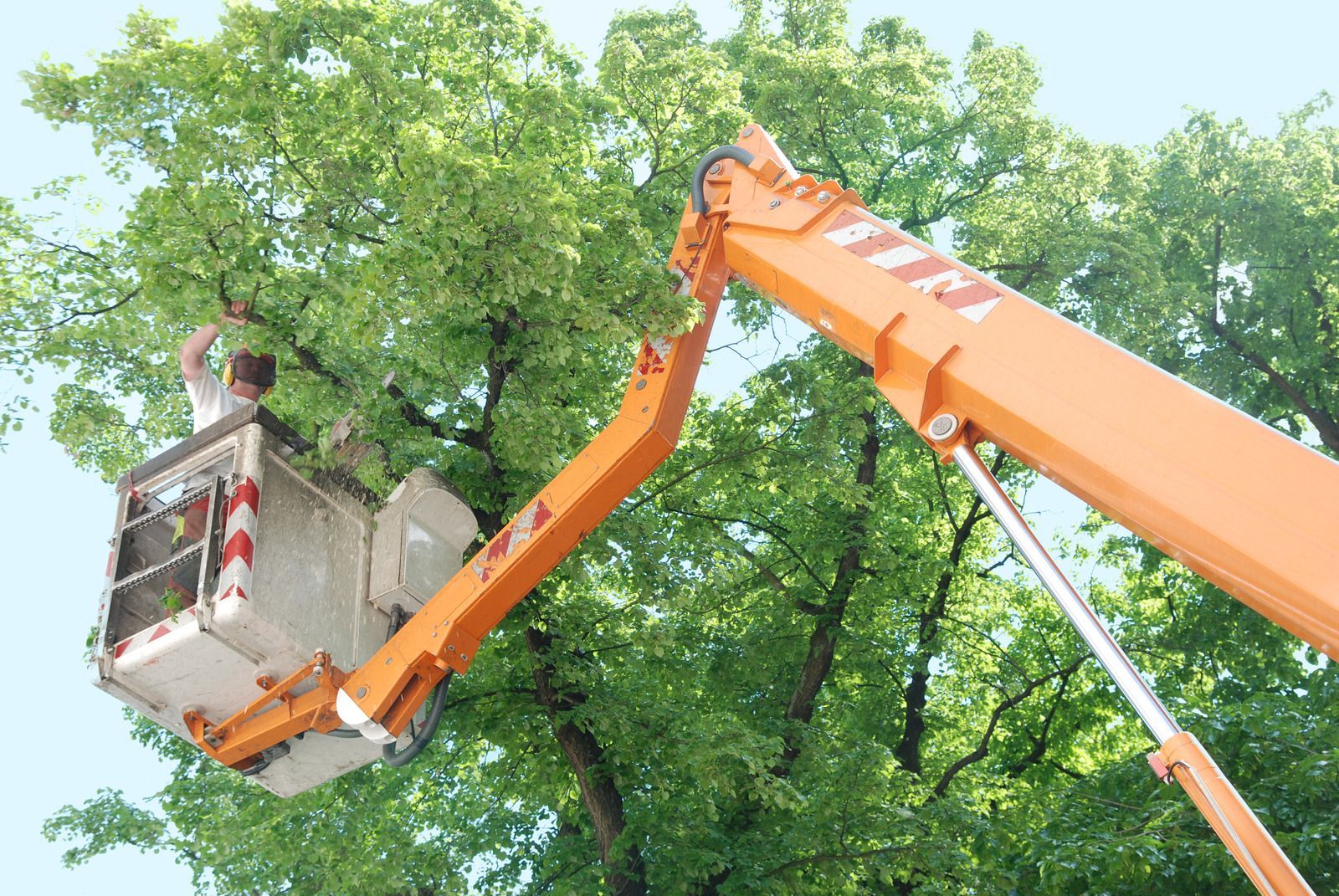
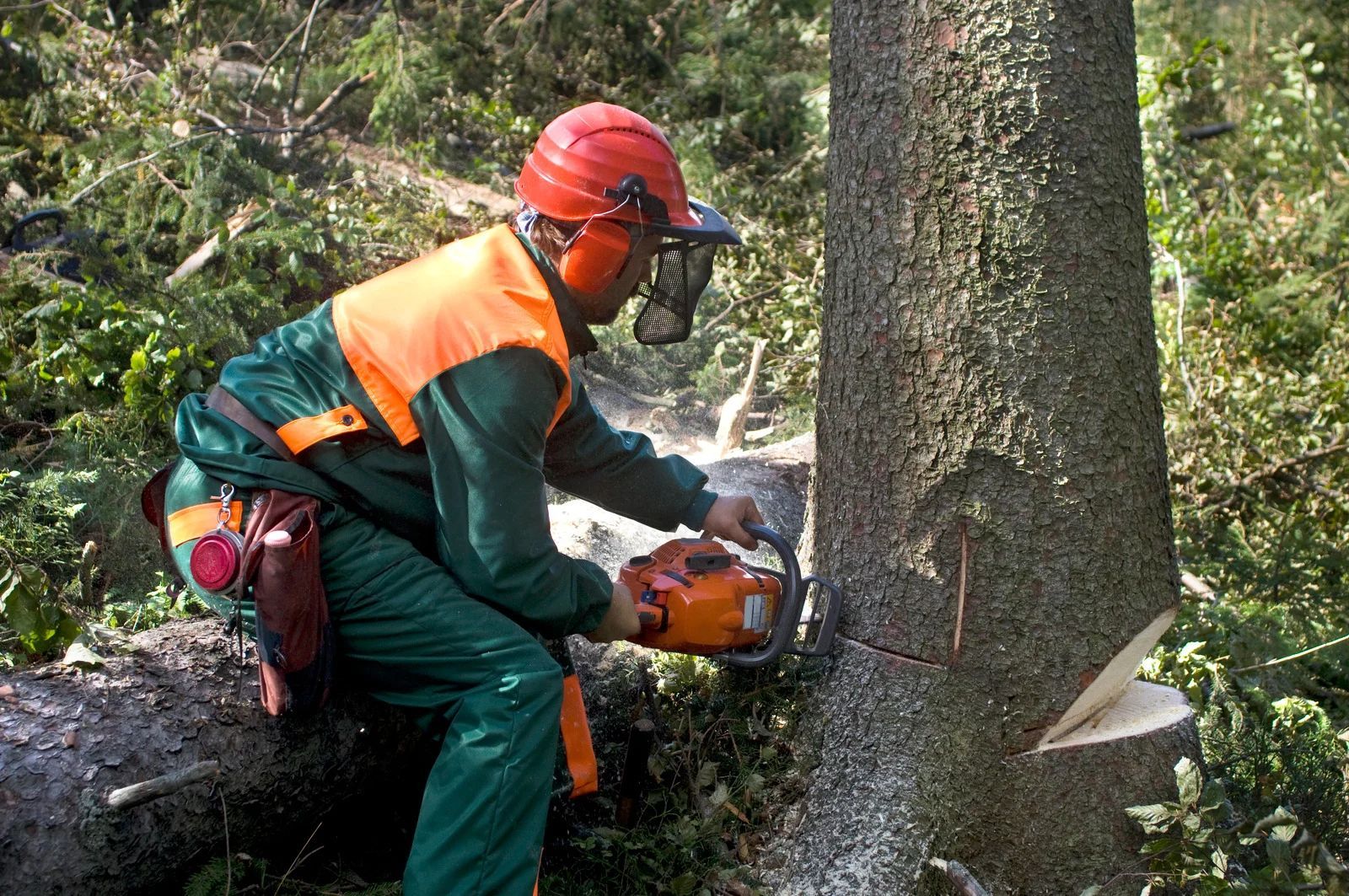
Safe tree removal involves controlled techniques such as sectioning, rigging, and directional felling. For large or high-risk trees, cranes or specialized rigging systems may be used to prevent damage to surrounding property.
Adhering to these methods ensures that removal is precise and minimizes risk. Proper disposal of removed trees, including recycling wood or mulch, further reduces environmental impact while maintaining site cleanliness.
Preventive Maintenance to Reduce Future Removals
Regular tree inspections, pruning, soil management, and pest monitoring can prevent many situations that lead to removal. Early intervention reduces disease spread, improves structural integrity, and prolongs tree life.
Establishing a proactive maintenance schedule also allows for strategic planning when removal eventually becomes necessary, avoiding emergency situations that are costly and hazardous.
Real-World Examples of Critical Tree Removal
Residential Case Studies
In one suburban property, a mature maple tree developed severe internal decay undetectable from the exterior. During a windstorm, a major limb fell onto a parked vehicle. Assessment confirmed the trunk was compromised, and removal was deemed the only safe option. This action prevented potential injury and property loss, highlighting the importance of proactive evaluation.
Another scenario involved an ash tree infested with emerald ash borer. Despite repeated treatment attempts, structural weakening persisted. Immediate removal prevented infestation spread and ensured safety for neighboring trees.
Commercial and Municipal Scenarios
Urban environments face unique challenges, with trees in close proximity to sidewalks, parking lots, and overhead utilities. In Springfield, Missouri, several city-owned oaks required removal after repeated storm damage left branches unstable and hazardous to pedestrians. Timely removal prevented accidents, preserved property, and allowed for the planting of replacement trees in safer locations.
Understanding the Risks of Delaying Removal
Liability Concerns
Property owners may face legal and financial consequences if a hazardous tree causes damage or injury. Courts often consider prior knowledge of risks when determining liability, making timely removal essential. Documenting tree health assessments and removal decisions can mitigate potential claims.
Escalating Costs
Delaying tree removal often increases costs. Emergency removal during storms or after structural failure requires specialized equipment and labor, leading to higher expenses. Proactive assessment and planned removal reduce both financial burden and risk exposure.
Environmental Considerations
Dead or diseased trees can impact surrounding plant life, soil stability, and local wildlife. While removal may seem drastic, it protects the broader ecosystem from collapse or pest proliferation. Responsible removal practices also allow for sustainable replanting and landscape restoration.
Trusted Tree Removal Expertise for Springfield Properties
Tree removal is sometimes the only safe and responsible option when structural instability, disease, or environmental stress threatens safety and property. Identifying these risks early and taking decisive action can prevent injury, property damage, and long-term ecological impacts. Proactive assessment, professional guidance, and careful execution ensure that removal is conducted efficiently and safely, while also preserving the overall health of the landscape. Understanding the signs of compromised trees empowers property owners to make informed decisions that prioritize safety and sustainability.
At Oasis Tree Care, LLC, decades of experience in tree service in Springfield, Missouri, have cultivated expertise in identifying and safely removing hazardous trees. With 20
years of trusted service, we provide professional evaluation, controlled removal techniques, and sustainable landscape management solutions. Committed to safety, precision, and environmental stewardship, we ensure every removal is conducted with the highest standards. Partnering with us means choosing a reliable authority in tree care, safeguarding both property and community while maintaining the beauty and health of the landscape.