

The Importance of Tree Maintenance for Commercial Properties
February 23, 2026
Trees are more than just aesthetic features in commercial properties—they are essential elements that influence the safety, functionality, and overall value of a property. Well-maintained trees can enhance curb appeal, create comfortable outdoor spaces, and contribute positively to environmental sustainability by improving air quality and reducing energy costs. For property managers and business owners, understanding the significance of tree maintenance is critical to protecting both assets and the well-being of employees, visitors, and customers. Neglecting proper tree care can lead to structural damage, increased liability risks, and costly remediation efforts, highlighting the need for a proactive approach. Moreover, healthy trees can provide economic advantages, such as reducing heating and cooling costs through natural shading and windbreaks. They also foster a welcoming environment that encourages clients and tenants to spend more time on the property, boosting business engagement and overall satisfaction.
In the commercial sector, tree maintenance is not just about visual appeal; it directly affects operational efficiency and safety standards. From ensuring clear walkways to preventing damage to buildings, vehicles, and infrastructure, the role of professional arboriculture cannot be understated. Trees, when cared for strategically, can also enhance a property’s reputation by signaling a commitment to sustainability and professionalism. Beyond aesthetics and safety, trees play a significant role in environmental stewardship, including stormwater management and soil stabilization, which are crucial for large properties. Proactive tree care also reduces emergency maintenance needs, saving time and resources while protecting the property’s long-term investment. This blog explores why commercial properties must prioritize tree maintenance, the benefits it delivers, the challenges it addresses, and the best practices businesses can implement to maximize safety, aesthetics, and long-term value.
1. Enhancing Safety and Reducing Liability
Risk Assessment and Hazard Mitigation
One of the most critical reasons for tree maintenance on commercial properties is safety. Overgrown branches, weakened limbs, or diseased trees can pose significant hazards to pedestrians, vehicles, and buildings. Regular inspections allow property managers to identify potential risks, such as hanging branches over walkways, damaged roots near sidewalks, or structural weaknesses in mature trees. By addressing these issues early, businesses can prevent accidents that may result in injuries or property damage.
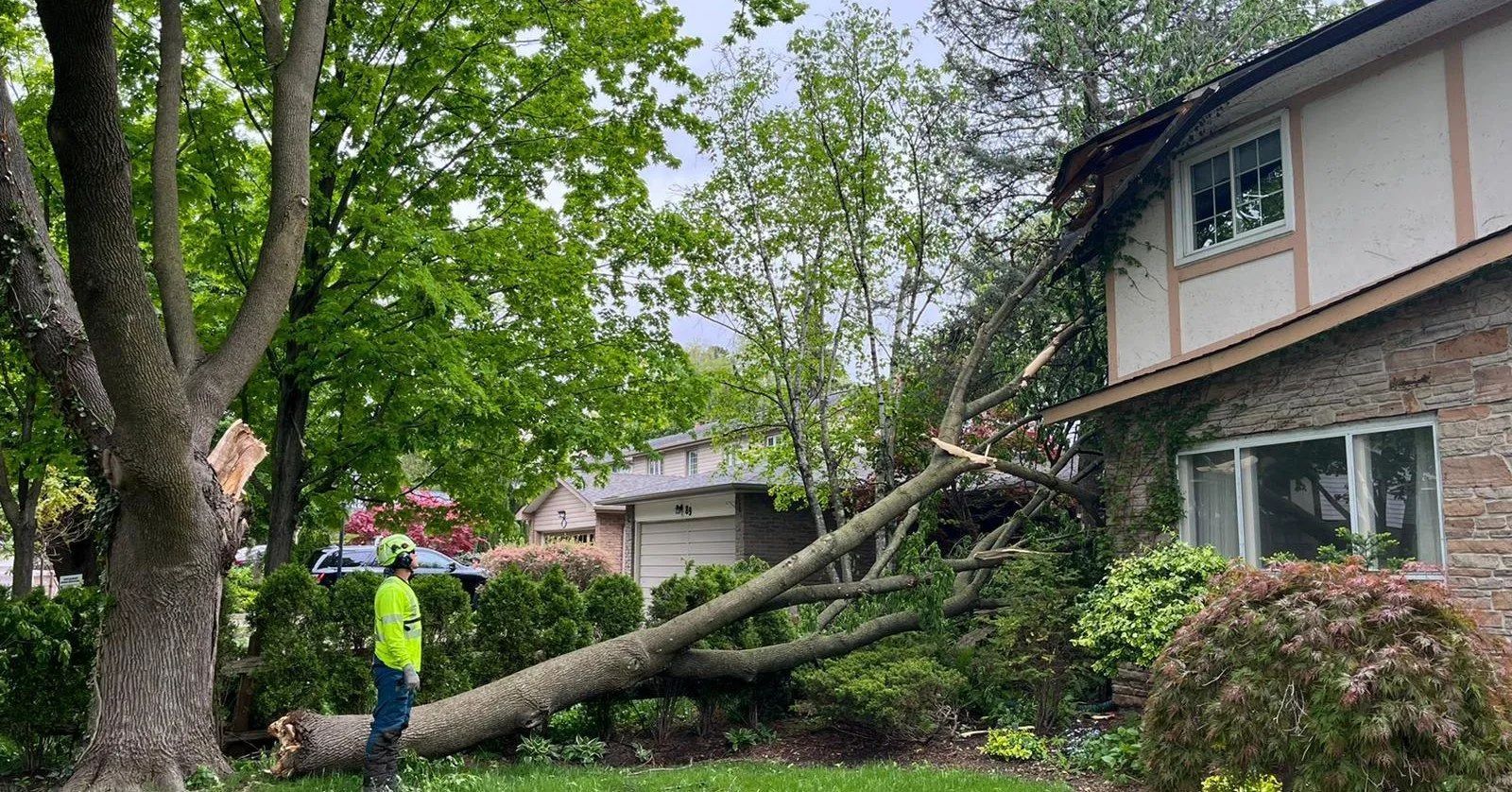
For instance, a commercial parking lot lined with aging oaks can become a liability if branches overhang customer vehicles or pedestrian paths. Scheduled pruning, trimming, and structural assessments ensure that trees remain stable and secure. Additionally, maintaining tree health reduces the likelihood of sudden failures during storms or high winds, which are common causes of property claims.
Legal and Insurance Considerations
Neglecting tree maintenance can also lead to legal and financial repercussions. Property owners may be held liable for damages or injuries caused by fallen limbs or collapsing trees. Many insurance policies require evidence of proactive tree care to maintain coverage for property-related incidents. Regular professional maintenance demonstrates due diligence, reducing the risk of costly litigation and insurance claims.
2. Boosting Aesthetic Appeal and Property Value
Creating an Attractive Environment
Well-maintained trees significantly enhance the visual appeal of commercial properties. Clean lines, healthy foliage, and strategically pruned branches create a welcoming environment for clients, tenants, and visitors. Landscape aesthetics are closely tied to the perceived value of a property, impacting occupancy rates for office buildings, retail centers, and hotels.
For example, a commercial plaza with manicured trees along its main entrance creates a positive first impression. Trees not only provide shade and comfort but also complement other landscaping elements, such as flowerbeds, hardscapes, and signage, presenting a cohesive and professional appearance.
Impact on Market Value
Beyond aesthetics, tree maintenance can directly influence property valuation. Studies have shown that commercial properties with well-maintained landscapes, including healthy trees, often command higher lease rates and resale prices. Trees add both tangible and intangible value, improving marketability and enhancing long-term investment returns.
3. Promoting Tree Health and Longevity
Disease Prevention and Early Intervention
Regular maintenance is essential for ensuring the long-term health of trees on commercial properties. Trees are susceptible to pests, fungal infections, and environmental stressors that can compromise their structural integrity. Professional arborists conduct routine inspections to detect early signs of disease, infestation, or nutrient deficiencies, allowing for timely intervention before problems escalate.
For instance, a maple tree showing early signs of fungal infection can be treated with pruning, soil amendments, or appropriate fungicides, preventing the spread to nearby trees. Ignoring such issues often leads to tree death, increased replacement costs, and potential safety hazards.
Pruning and Nutrient Management
Pruning is a core component of tree maintenance, promoting proper growth patterns and preventing overcrowded canopies. Removing dead or diseased branches not only enhances tree health but also reduces the risk of falling limbs. Additionally, soil care, fertilization, and mulching improve nutrient availability and moisture retention, supporting robust root systems and overall vitality.
4. Environmental and Energy Benefits
Shade and Microclimate Regulation
Trees provide natural shading and cooling effects, which are especially valuable for commercial properties with large outdoor areas or expansive building surfaces. Properly maintained trees can reduce surface temperatures, lower the urban heat island effect, and improve energy efficiency by decreasing reliance on air conditioning during warm months.
For example, strategically pruned trees around a commercial office building can shade windows and walls, reducing solar heat gain. This can lead to noticeable energy savings, lower utility bills, and a smaller carbon footprint, demonstrating environmental responsibility to stakeholders.
Air Quality and Stormwater Management
Healthy trees contribute to cleaner air by filtering pollutants and absorbing carbon dioxide. They also aid in stormwater management, with root systems stabilizing soil and reducing erosion. In commercial settings, this can prevent water pooling near structures, minimize foundation damage, and reduce maintenance costs related to drainage issues.
5. Planning and Implementation Best Practices
Comprehensive Tree Inventory
A strategic tree maintenance program begins with a detailed inventory of all trees on the property. This includes documenting species, age, health status, and growth patterns. A comprehensive tree inventory allows property managers to prioritize care, schedule inspections, and allocate resources efficiently.
For instance, mature trees that provide significant shade may require more frequent monitoring for structural integrity, while younger trees may need targeted fertilization and irrigation support. Keeping accurate records ensures proactive rather than reactive management.
Scheduled Maintenance and Professional Oversight
Implementing a scheduled maintenance plan is critical for commercial properties. This includes regular pruning, inspections, pest control, fertilization, and soil care. Hiring certified arborists ensures that work adheres to industry standards, enhances tree health, and reduces liability risks.
A proactive approach minimizes emergency interventions, which are often costly and disruptive. Businesses that invest in ongoing maintenance benefit from healthier trees, a safer environment, and reduced long-term expenditures.
Integrated Landscaping Strategies
Tree maintenance should be integrated into broader landscaping and property management strategies. Coordinating tree care with irrigation, hardscape design, and seasonal landscaping efforts enhances overall property aesthetics and sustainability. Additionally, incorporating native and resilient tree species can reduce maintenance demands while supporting local ecosystems.
6. Addressing Challenges in Commercial Tree Care
Balancing Safety, Aesthetics, and Growth
Maintaining commercial trees often involves balancing multiple objectives and property priorities. Over-pruning can damage the tree or compromise its natural form, while under-maintaining increases potential risk to property and people. Certified arborists provide expert guidance, ensuring that interventions support structural integrity, aesthetic goals, and long-term tree health effectively.
Navigating Environmental and Regulatory Constraints
Commercial properties must also consider local regulations regarding tree preservation, removal permits, and environmental protection guidelines carefully. Compliance is essential to avoid fines, legal issues, and reputational damage. Tree maintenance plans that incorporate legal requirements demonstrate responsible stewardship, corporate accountability, and adherence to industry standards.
Cost Management and ROI
While professional tree maintenance requires a reasonable investment, it offers a high return in terms of safety, property value, and operational efficiency over time. Businesses that neglect tree care often face higher unexpected expenses from emergency removal, property damage, or legal claims. A structured maintenance program ensures predictable costs, reduces long-term liabilities, and maximizes return on investment.
Certified Arborists Safeguarding Trees and Commercial Spaces
Effective tree maintenance is a crucial component of commercial property management. From enhancing safety and reducing liability to improving aesthetics, supporting environmental sustainability, and maximizing property value, well-cared-for trees deliver measurable benefits. Regular inspections, pruning, disease management, and professional oversight help prevent accidents, prolong tree life, and ensure that landscapes remain attractive and functional. Commercial properties that prioritize tree maintenance not only safeguard their assets but also demonstrate a commitment to professionalism and environmental stewardship.
Oasis Tree Care, LLC, with over 20
years of experience, is a trusted authority in tree services in Springfield, Missouri. Our team specializes in comprehensive tree care solutions tailored for commercial properties, ensuring that each tree is healthy, safe, and aesthetically aligned with your property goals. We provide expert pruning, disease management, emergency tree removal, and proactive maintenance plans designed to minimize risk and enhance property value. Businesses that partner with Oasis Tree Care, LLC
benefit from certified arborists, reliable service, and a deep understanding of the unique challenges associated with
commercial tree management. Our commitment to excellence and safety ensures that your property remains both visually impressive and secure, making us the ideal partner for all your commercial tree care needs.