

Step-by-Step Guide to Hassle-Free Tree Removal Services
May 13, 2026
Tree removal is more than just cutting down an unsightly or hazardous tree—it’s a careful, strategic process that protects property, ensures safety, and preserves the surrounding landscape. Homeowners, property managers, and business owners often face situations where a tree becomes a liability, whether due to disease, structural instability, or interference with construction and utilities. In such cases, professional tree removal services are not just convenient—they are essential for avoiding potential hazards, minimizing property damage, and ensuring compliance with local regulations.
Navigating tree removal without proper guidance can lead to unnecessary risks, including personal injury, property damage, and environmental impact. Understanding each step of the process provides clarity, reduces stress, and ensures that removal is carried out efficiently and safely. From initial assessment to post-removal cleanup, following a structured approach simplifies what can otherwise be a complex and physically demanding task. This step-by-step guide explores the critical aspects of tree removal, offering practical advice, real-world examples, and actionable strategies to achieve a smooth, hassle-free experience. Whether addressing a single tree or managing a larger project, this guide equips readers with the knowledge to make informed decisions and achieve professional-quality results.
Assessing the Tree and Property
Evaluating Tree Health and Stability
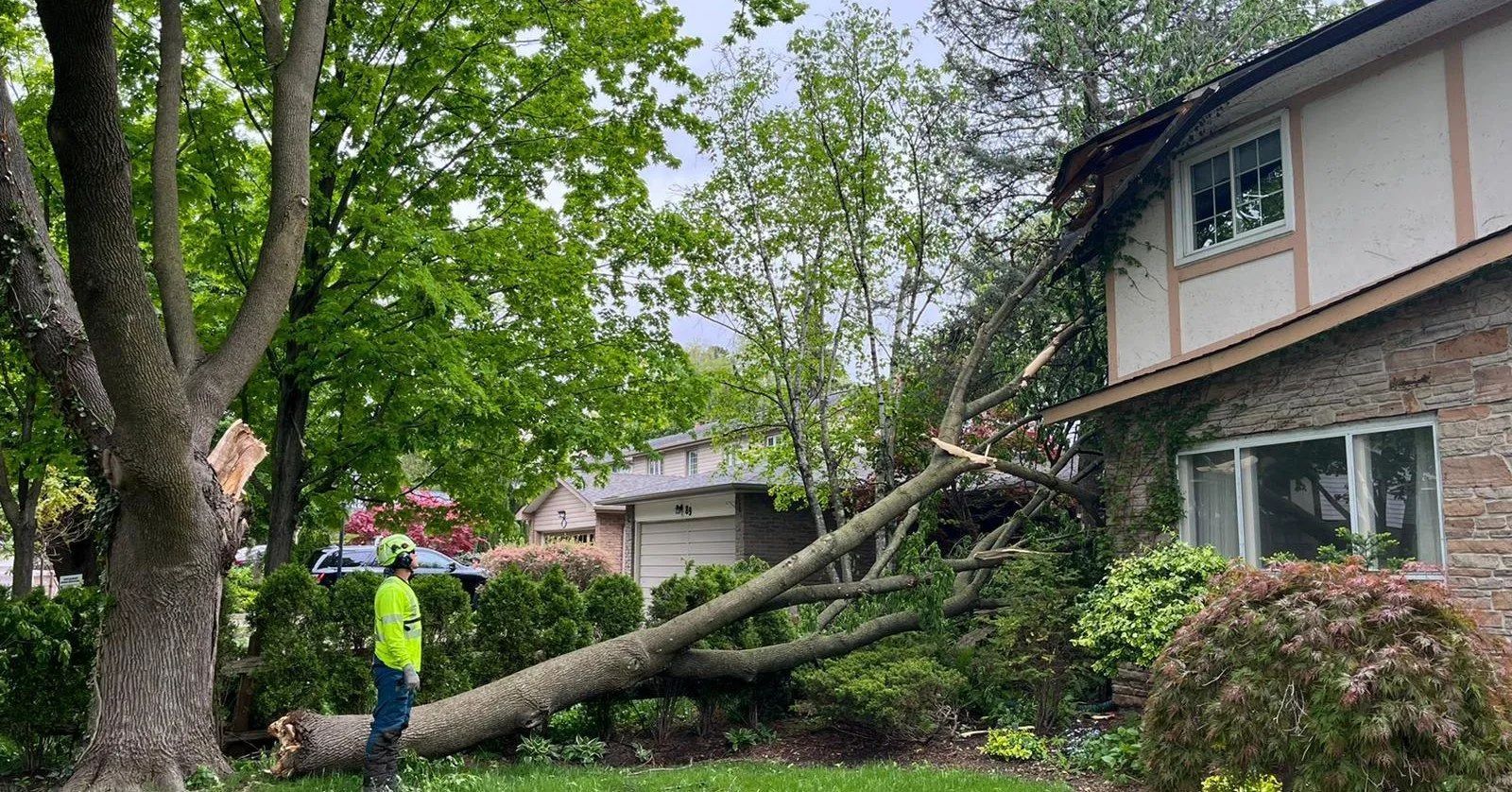
Before any removal, a thorough assessment of the tree’s health is critical to ensure safety and minimize risks. Look carefully for signs of decay, disease, or pest infestation that could compromise structural integrity. Cracks in the trunk, fungal growth, or dead branches often indicate significant structural weakness, increasing the risk of sudden collapse or property damage. Trees leaning at severe angles or with compromised root systems pose serious safety hazards that must be addressed promptly. Accurate evaluation helps determine whether pruning, cabling, or complete removal is necessary to protect property and maintain a safe environment.
Analyzing Surrounding Structures and Utilities
Trees rarely exist in complete isolation, and the surrounding property conditions greatly influence removal strategy. Assess proximity to buildings, fences, power lines, and sidewalks for potential hazards. Trees near power lines require specialized equipment and advanced knowledge to ensure safety. Consider potential damage to nearby structures during removal, and plan carefully for controlled felling techniques or sectional dismantling if necessary. Real-world scenarios consistently demonstrate that careful analysis of surroundings prevents costly property damage and ensures safe, predictable operations during every step of removal.
Securing Permits and Compliance
Many regions require permits for tree removal, particularly for large, protected, or historically significant species. Research local regulations thoroughly and obtain necessary approvals in advance to avoid fines or legal complications. Understanding these requirements upfront streamlines the removal process and prevents unexpected delays that could hinder the project. Compliance also includes following environmental best practices, such as minimizing impact on neighboring vegetation, wildlife habitats, and natural ecosystems. Proactively adhering to regulations promotes safety, efficiency, and long-term responsibility in property management.
Planning the Removal Process
Choosing the Right Approach
Tree removal methods vary depending on tree size, location, and overall condition, and choosing the correct approach is critical for safety. Common methods include complete felling, sectional removal, and crane-assisted extraction. Each technique has distinct advantages: felling is efficient for isolated trees, sectional removal prevents damage in tight spaces, and crane-assisted removal handles large or hazardous trees with precision and control. Selecting the most appropriate approach ensures operational efficiency, reduces risk, and protects the surrounding landscape from unnecessary damage or disturbance.
Preparing Tools and Equipment
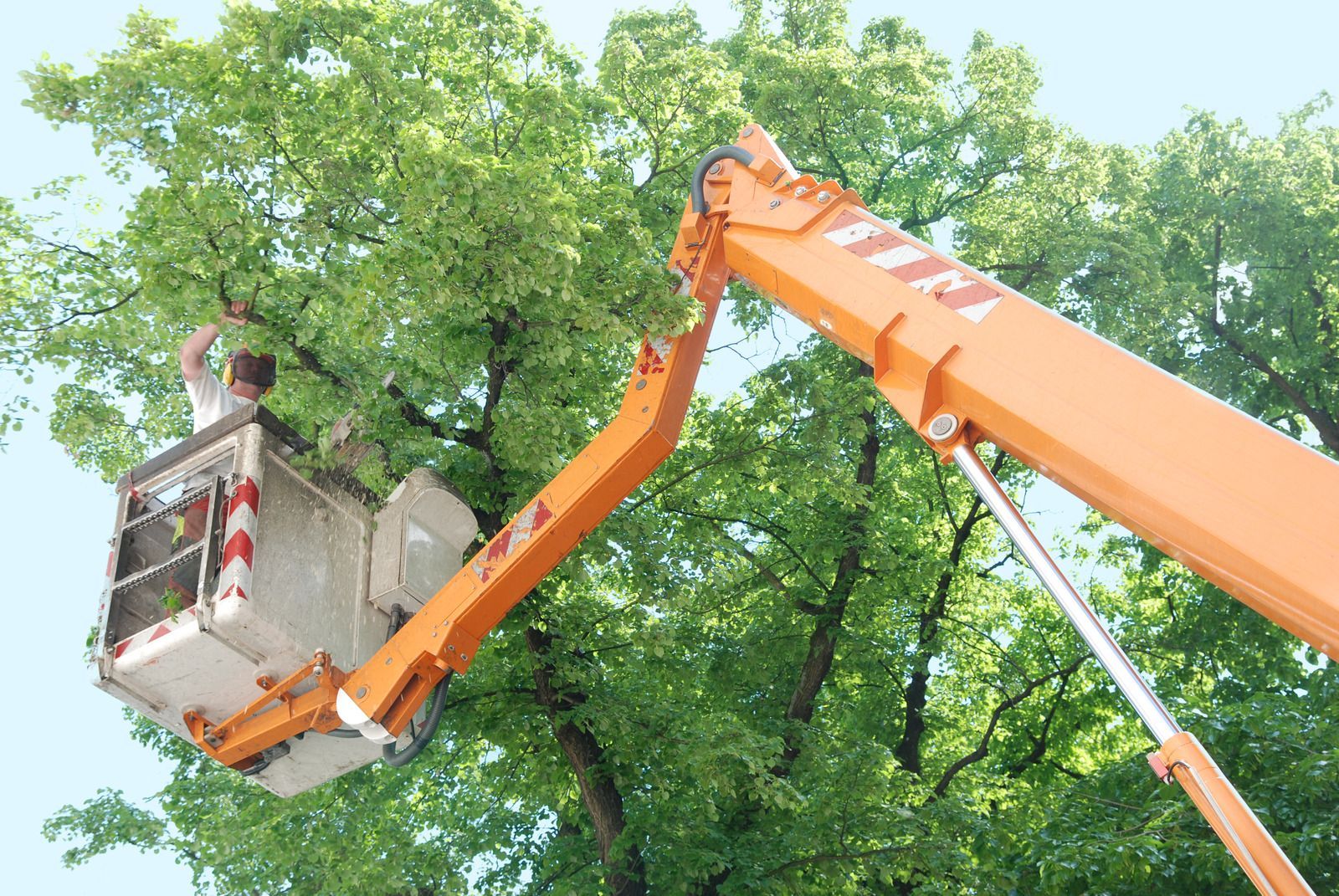
Proper equipment is essential for a smooth, efficient, and safe removal process. Chainsaws, ropes, harnesses, and rigging gear are standard, while wood chippers and stump grinders help facilitate cleanup quickly. For larger trees or challenging locations, cranes or aerial lifts may be required. Ensure that all tools are properly inspected, well-maintained, and suitable for the specific task at hand. Preparing all necessary equipment in advance reduces downtime, prevents interruptions during removal, and ensures a seamless, professional execution of every step.
Safety Planning and Risk Mitigation
Tree removal carries inherent risks, including falling branches, equipment malfunction, and unstable ground conditions, which must be mitigated. Establish clearly marked safety zones, wear personal protective equipment (PPE), and have first-aid measures readily available. In high-risk scenarios, consider professional support for rigging or crane operations to maintain control. Real-world examples highlight that proactive safety planning, risk assessment, and strict adherence to protocols significantly reduce accidents and delays while keeping every aspect of the project under control.
Executing the Removal
Step-by-Step Felling Techniques
For standard felling, begin with a notch cut on the side facing the intended direction of fall to maintain control. Make a back cut slightly above the notch, allowing the tree to pivot safely and predictably. Use wedges to guide fall direction and prevent pinching of the saw during the final cut. For angled or leaning trees, carefully adjust cutting angles and utilize ropes or guide lines to maintain complete control. Precision in execution is crucial to avoid injuries, property damage, or unexpected hazards during every step of the felling process.
Sectional or Piece-by-Piece Removal
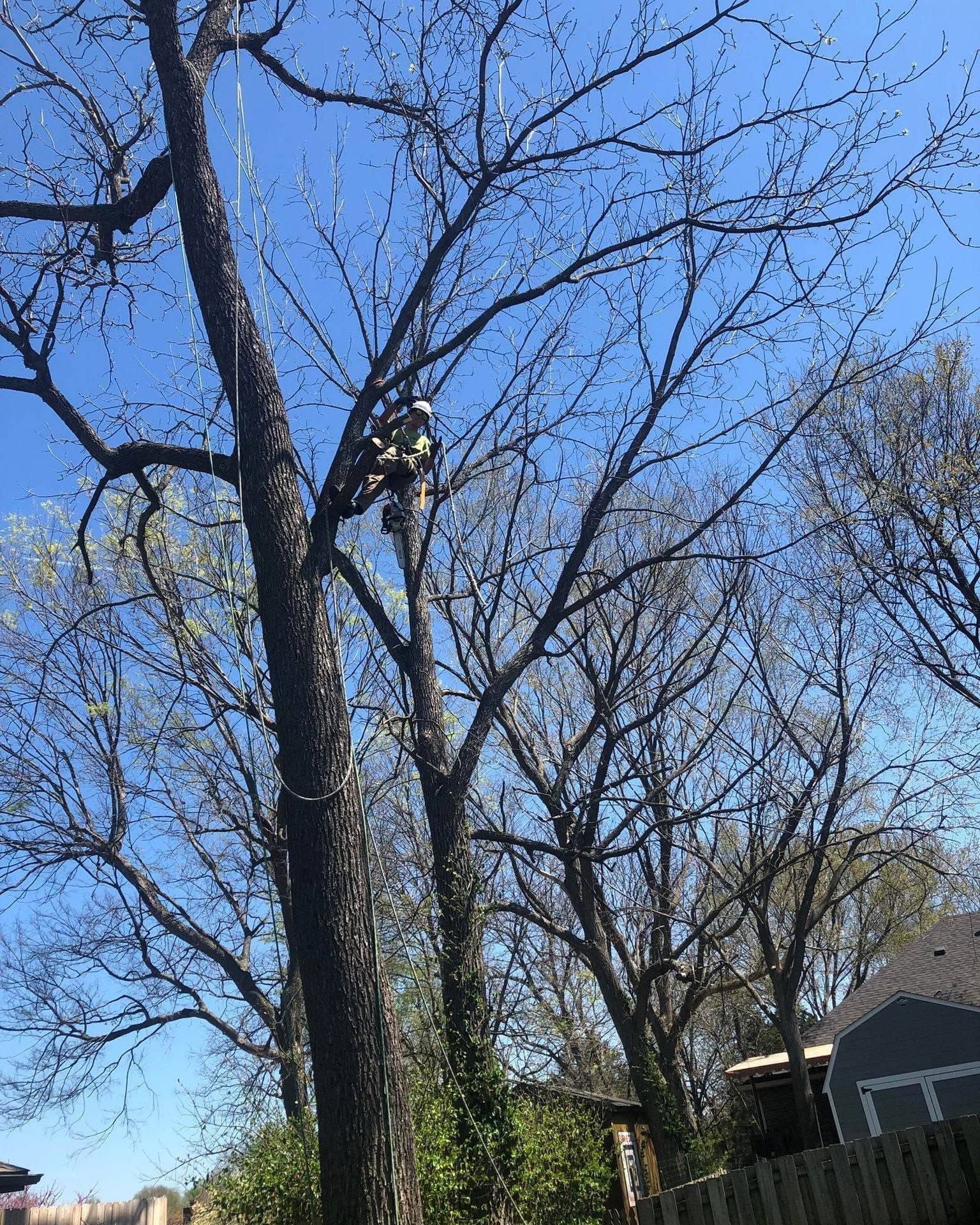
Trees located near structures or other obstacles often require sectional removal for safety and control. This involves cutting branches and trunk segments individually and lowering them safely using ropes or cranes. Starting from the top ensures that weight distribution is managed effectively, minimizing risks during each cut. Real-world applications demonstrate that sectional removal allows work in constrained spaces, preserves surrounding landscaping, and reduces overall cleanup complexity, while ensuring complete safety for property and personnel.
Stump Removal Considerations
Removing the stump after tree removal prevents regrowth, eliminates tripping hazards, and improves property aesthetics significantly. Common methods include grinding, chemical treatments, or full excavation, depending on size and location. Stump grinding is efficient for most residential projects, while excavation may be necessary for large stumps or uneven terrain. Consider soil restoration and landscaping after stump removal to maintain visual appeal, prevent erosion, and enhance long-term usability and safety of the site.
Cleanup and Disposal
Efficient Debris Management
Proper cleanup transforms a hazardous and cluttered site into a safe, usable, and visually appealing space. Branches, wood chips, leaves, and other debris can be collected, chipped, or composted for sustainability. Many services offer hauling of debris for environmentally responsible disposal to reduce landfill impact. Efficient debris management saves time, prevents accidents from hidden branches or unstable wood piles, and improves overall site safety while preparing the area for future landscaping or construction projects.
Recycling and Repurposing Options
Wood and organic material from removed trees can be repurposed creatively into firewood, mulch, furniture, or craft projects. Many local programs also accept wood waste for community recycling or sustainable use. Considering recycling options reduces disposal costs, supports environmental sustainability, and maximizes the value of removed materials. Repurposing wood contributes positively to ecological responsibility while providing functional or aesthetic benefits for property owners.
Site Restoration and Landscaping
After tree removal, evaluate soil condition and grade the area if necessary to prevent erosion or water pooling. Planting replacement trees or shrubs restores balance, aesthetics, and ecological value to the property. Consider drainage patterns, sunlight exposure, and soil composition to optimize plant health. Real-world landscaping experience demonstrates that post-removal site restoration enhances property value, creates a safer environment, and improves long-term usability while maintaining visual appeal and harmony with surrounding vegetation.
Cost, Timing, and Planning Strategies
Estimating Costs Accurately
Tree removal costs vary depending on tree size, location, species, equipment needs, and disposal requirements, and accurate estimation is critical. Large or hazardous trees often incur higher costs due to additional labor and specialized equipment needs. Obtaining multiple quotes and understanding detailed pricing breakdowns ensures transparency, prevents budget surprises, and allows informed decision-making. Planning financial resources in advance helps avoid delays or compromises in safety and quality during the removal process.
Scheduling for Minimal Disruption
Timing tree removal strategically reduces disruption to daily routines, neighborhood activity, and ongoing property projects. Avoid stormy seasons or extreme weather conditions, which can increase risks, slow progress, and require additional precautions. Early planning allows for optimal scheduling of equipment, personnel, and post-removal landscaping to maintain efficiency. Real-world examples show that careful scheduling ensures smooth operations and reduces stress for property managers and residents alike.
Managing Unexpected Challenges
Unexpected challenges can arise, including hidden root obstructions, structural weaknesses, or the presence of wildlife in the tree or surrounding area. Incorporating contingency plans, having backup equipment, and consulting experts ensures that problems are resolved promptly without safety compromises. Real-world experience demonstrates that preparedness is essential to maintaining project timelines, safety standards, and efficiency while minimizing unexpected delays or complications.
Reliable Tree Management Solutions From Skilled Professionals
Tree removal is a complex but manageable process when approached methodically. From initial assessment to planning, execution, cleanup, and long-term maintenance, each step plays a crucial role in ensuring safety, efficiency, and property protection. Understanding risks, selecting the appropriate removal method, and preparing tools and safety measures minimize hazards and streamline the overall experience. Post-removal practices, such as stump grinding, debris disposal, and landscaping, further enhance property aesthetics and long-term safety. Incorporating cost planning, scheduling, and expert guidance ensures a smooth process, reduces unexpected complications, and maintains the health and appearance of the surrounding environment.
For over 20
years, Oasis Tree Care, LLC
has provided reliable and professional tree service in Springfield, Missouri. Our expertise ensures safe, efficient, and thorough tree removal for residential and commercial properties. From hazard assessment to precise execution and site restoration, we approach every project with care, skill, and commitment. Choosing Oasis Tree Care guarantees a trustworthy partner dedicated to protecting your property, enhancing its appeal, and delivering peace of mind through expert tree management solutions.