

Top 5 Signs Your Home Trees Need Professional Care
December 29, 2025
Trees are more than just a backdrop to your property—they are vital contributors to your home’s beauty, value, and environmental health. Healthy trees provide shade, improve air quality, and create a peaceful outdoor environment for relaxation and recreation. However, like any living organism, trees require proper care and attention to thrive. Ignoring the signs of stress or damage can lead to weakened structures, disease spread, and even safety hazards for your home and family. Understanding when professional intervention is necessary is crucial for maintaining the longevity and health of your trees.
While some tree issues may seem minor at first glance, they can quickly escalate if left untreated. Recognizing early warning signs allows homeowners to take proactive measures before problems become costly or dangerous.
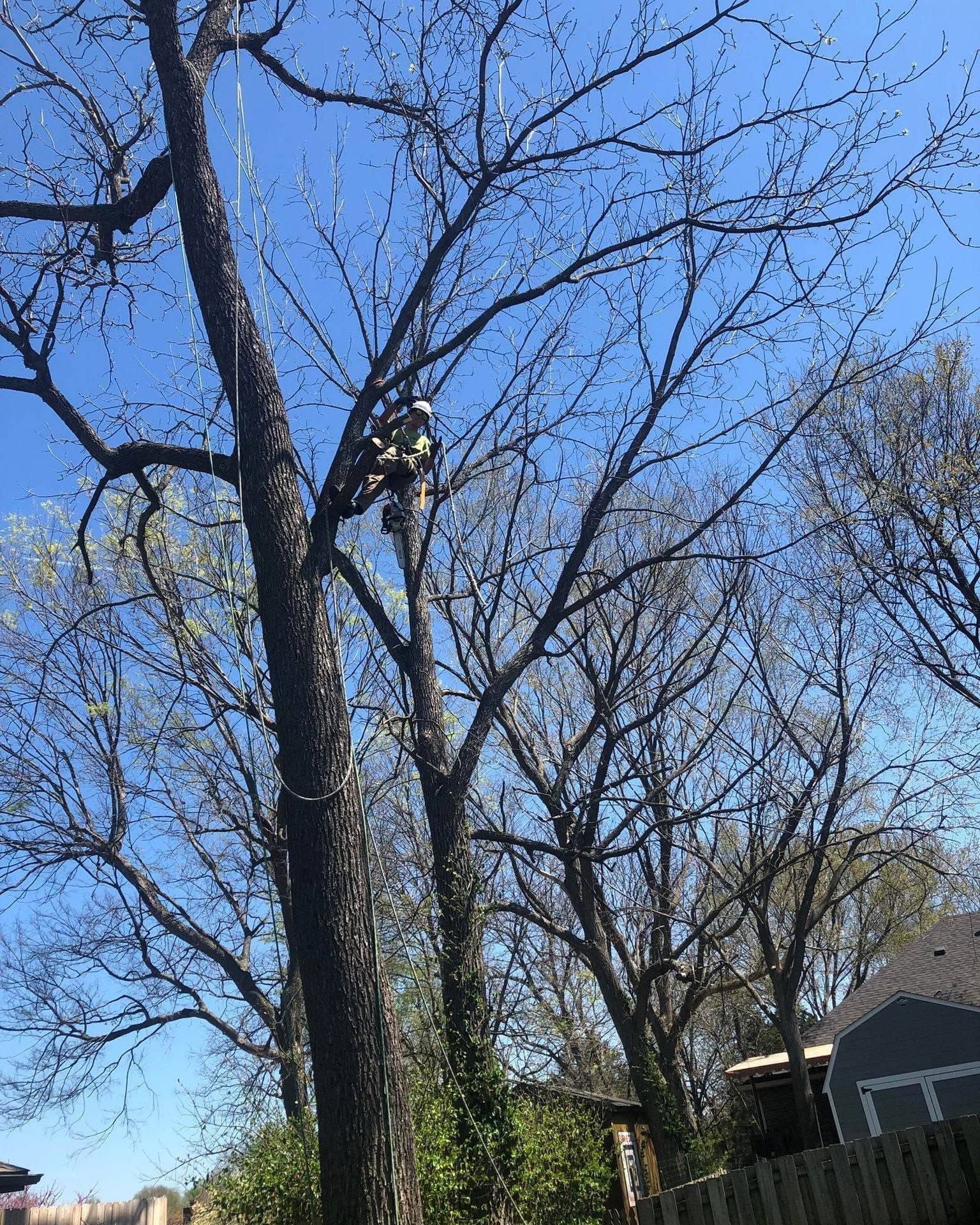
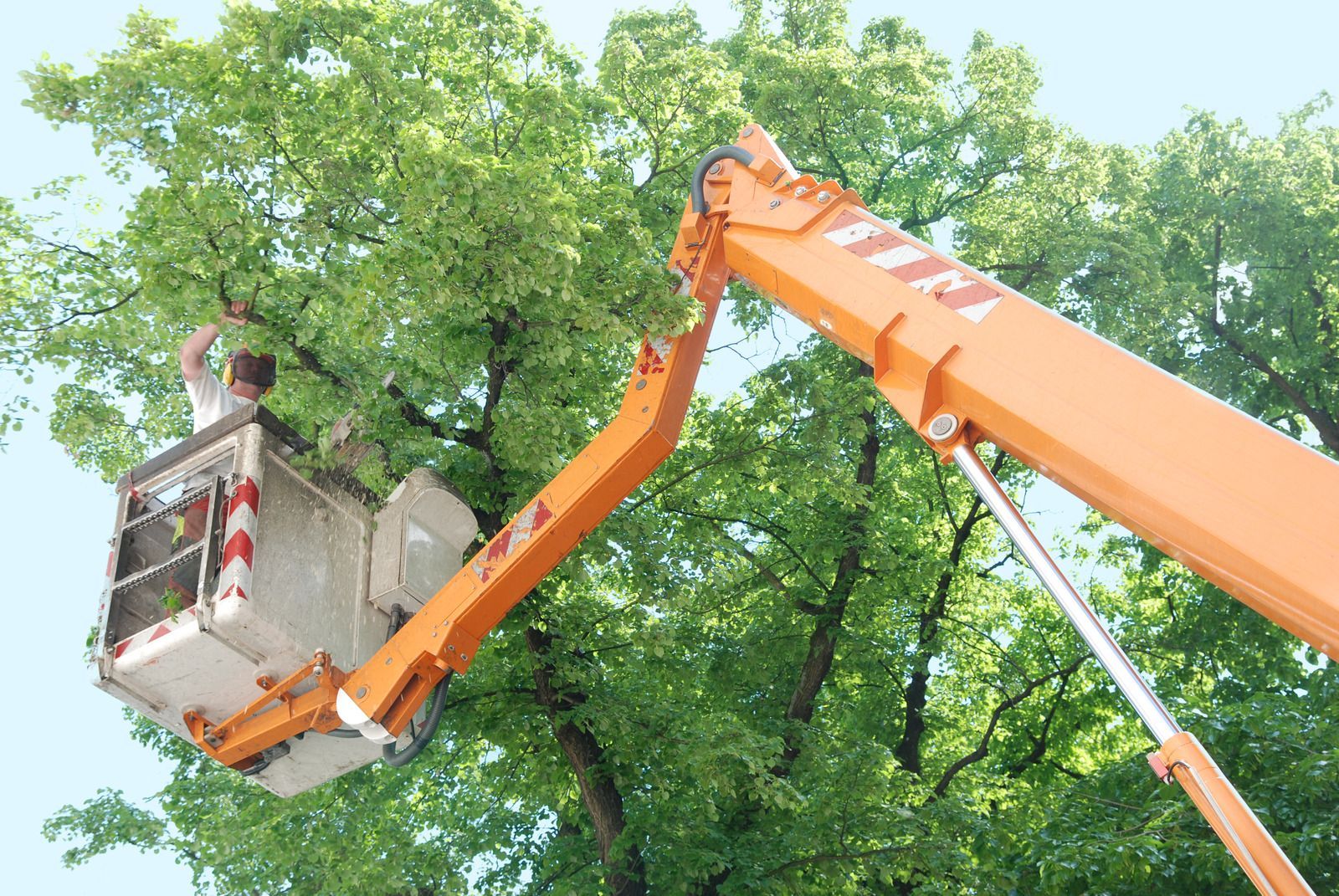
Professional arborists bring expertise, tools, and experience to diagnose tree conditions accurately, prune effectively, and manage potential risks. By learning the top indicators that your trees require expert care, you can protect both your property and the natural assets that enhance your home environment. In this guide, we’ll explore the five most common signs that indicate it’s time to consult a tree care professional and provide actionable insights to help you make informed decisions.
1. Visible Signs of Disease or Fungal Growth
Leaf Discoloration and Wilting
One of the earliest indicators that a tree may require professional care is abnormal leaf behavior. Leaves that suddenly yellow, brown, or display unusual spots may signal underlying issues such as nutrient deficiencies, pests, or disease that could worsen over time if untreated. For example, fungal infections like anthracnose can cause blotchy or distorted leaves, while bacterial infections may lead to premature leaf drop, affecting overall tree health significantly. Observing leaf changes early allows arborists to intervene with targeted treatments promptly to halt disease progression and prevent further damage.
Fungal Growth on Trunks or Branches
Mushrooms, conks, or other fungal growths on a tree’s trunk or branches are a serious warning sign that should never be ignored. These growths often indicate internal decay, which can compromise the structural integrity of the tree and increase safety risks. Fungi such as Ganoderma or Armillaria attack the wood from within, slowly weakening the tree over time. Professionals can assess the extent of the decay, recommend removal or treatment options, and prevent potential hazards, especially in residential areas where falling branches could pose serious danger.
Cracked or Oozing Bark
Bark abnormalities, including cracks, splits, or oozing sap, may reflect disease, infestation, or environmental stress that threatens the tree’s long-term vitality. For example, cankers caused by fungal or bacterial infections can girdle branches, cutting off essential nutrient flow and weakening the tree. Early detection and expert intervention are essential to mitigate damage, preserve the overall health of the tree, and prevent expensive future repairs.
Expert Tip: Regular inspection, especially during seasonal changes, can help identify disease signs early and prevent costly damage before it escalates further.
2. Structural Damage or Weak Branches
Dead or Falling Branches
Branches that break or fall frequently, even during mild winds, suggest that the tree’s structural integrity may be severely compromised. Deadwood is particularly hazardous, as it can fall unexpectedly and cause property damage or personal injury. Professional arborists are trained to safely remove weak branches, reducing risks while promoting healthy growth and preserving the beauty and safety of your property.
Leaning or Unstable Trees
A tree that suddenly leans more than usual, or shows signs of root disturbance, may be dangerously unstable. Root rot, soil erosion, or previous storm damage can destabilize a tree, increasing the likelihood of collapse during extreme weather events. Arborists can evaluate root systems and provide solutions such as cabling, bracing, or selective pruning to stabilize the tree safely and protect nearby structures.
Cracks, Splits, and Hollow Areas
Structural defects like splits or hollow trunks indicate significant internal stress and potential long-term weakness. These issues reduce the tree’s ability to withstand environmental pressures like storms, heavy snow, or strong winds. Professional tree care specialists can assess the severity, recommend removal if necessary, and implement preventive measures for other trees in the yard to avoid widespread damage.
Real-World Example: A homeowner noticed their oak tree leaning toward their garage after a storm. Immediate assessment by a certified arborist identified root rot and prevented potential property damage by professionally stabilizing the tree safely and efficiently.
3. Unusual Growth Patterns
Stunted or Sparse Foliage
Trees that fail to produce a normal canopy or display uneven leaf growth may be experiencing environmental stress, disease, or soil nutrient deficiencies that impact their overall vitality. Sparse foliage can reduce the tree’s ability to photosynthesize effectively, weakening its overall health and long-term growth potential. An arborist can test soil, diagnose issues accurately, and recommend corrective care to restore proper growth patterns efficiently.
Excessive Suckers or Water Sprouts
The sudden appearance of numerous shoots or branches at the base or along the trunk may indicate stress, poor pruning history, or underlying health issues. These growth patterns can divert energy from essential parts of the tree and increase the risk of disease or structural weakness. Professional pruning and targeted care help redirect the tree’s energy toward healthy, structural growth while maintaining its aesthetic appeal.
Root Problems Affecting Growth
Roots that are damaged, compacted, or obstructed by nearby construction can limit nutrient uptake and lead to abnormal growth above ground. Signs include uneven canopy development, gradual leaning, or slow overall growth. Arborists can perform root assessments, advise on soil aeration techniques, and take measures to support proper root function and long-term tree stability.
Benefit: Addressing unusual growth patterns promptly enhances long-term tree health and ensures that your property maintains its aesthetic, environmental, and financial value over time.
4. Pest Infestations
Signs of Insect Activity
Insect infestations, such as borers, aphids, or scale insects, can cause extensive damage if left untreated, often weakening trees significantly. Signs include small holes in the bark, sticky residue on leaves, or leaf deformities that signal an active infestation. Early detection allows for precise treatment options such as targeted insecticides or biological controls that prevent long-term tree damage and additional property issues.
Wood-Boring Insects
Beetles and other wood-boring insects can compromise a tree’s structural integrity by tunneling through wood, creating hidden weaknesses that are not immediately visible above ground. Infestations may not be immediately noticeable, so professional evaluation is essential to prevent sudden branch or trunk failure, which could threaten nearby structures or people.
Preventive Pest Management
Professional arborists can implement long-term pest management plans, including monitoring, soil treatment, and pruning strategies designed to maintain tree health. Preventive care helps reduce future treatment costs, preserves the property’s overall landscape, and safeguards the trees’ natural aesthetic appeal and functional benefits.
Example: A Springfield homeowner observed small exit holes on a maple tree. Timely consultation with an arborist prevented the infestation from spreading further and saved the tree from severe, potentially irreversible damage.
5. Environmental Stress or Recent Storm Damage
Storm or Wind Damage
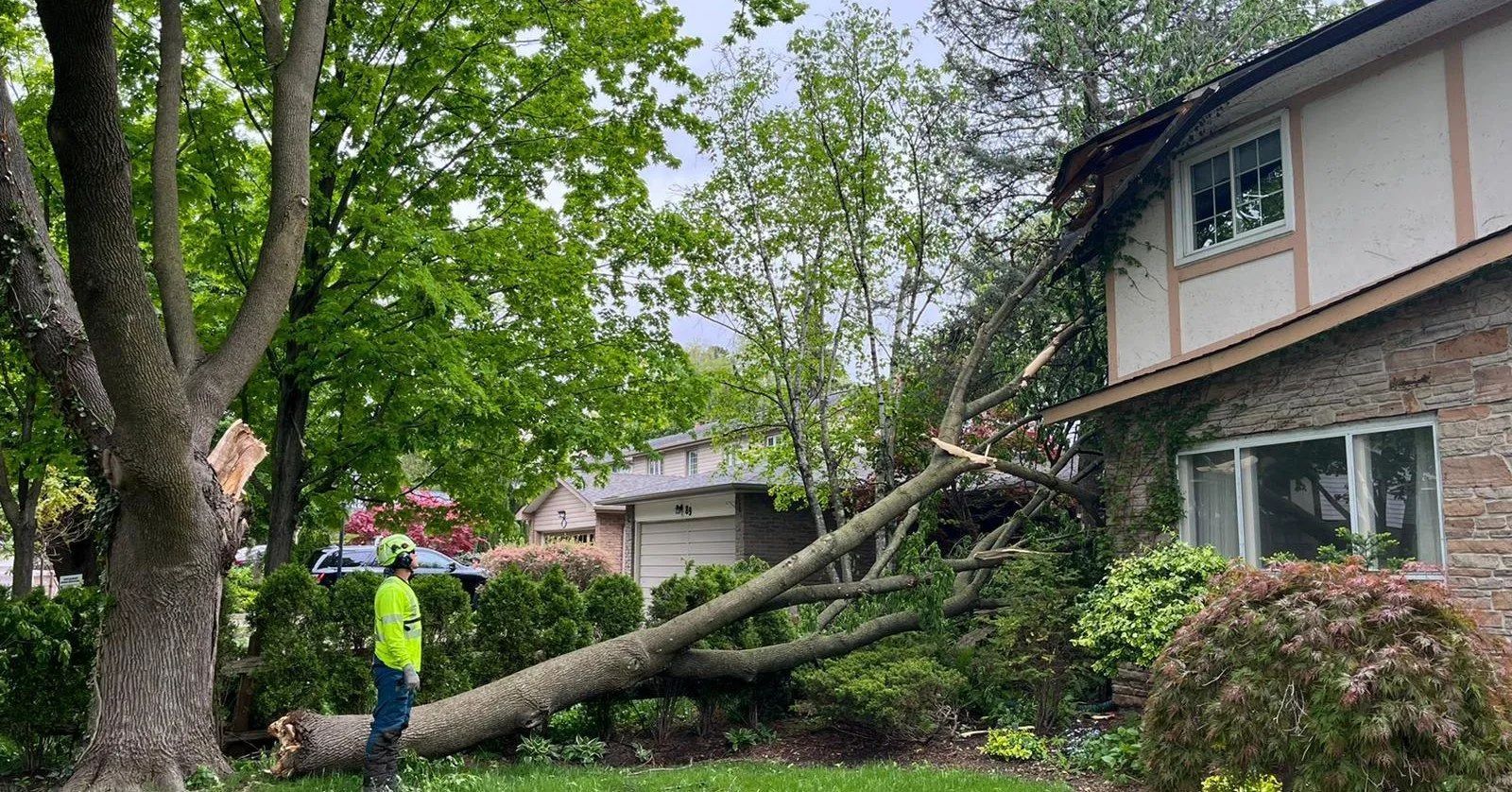
High winds, heavy rain, or lightning strikes can cause structural damage that is not always immediately apparent or visible. Cracked branches, uprooted trees, or compromised root systems may go unnoticed until they pose a serious risk to your property or family safety. Professionals can assess hidden damage, perform corrective pruning, or stabilize affected trees efficiently to mitigate potential hazards.
Soil and Water Stress
Trees may experience stress from drought, flooding, or soil compaction, leading to weakened roots and reduced vitality. Symptoms include leaf drop, discolored foliage, poor growth, or wilting branches. Arborists can implement irrigation adjustments, soil amendments, or protective measures to support tree recovery and ensure healthy development over time.
Construction and Landscaping Impacts
Nearby construction, excavation, or landscaping can disturb roots, compact soil, or create drainage issues that may not be immediately evident but affect long-term tree health. Professional evaluation ensures that these impacts are addressed promptly, protecting trees from irreversible damage and maintaining landscape safety.
Best Practice: After extreme weather events or construction projects, schedule a professional tree assessment to prevent delayed damage that could pose risks to your home, property, or surrounding landscape.
Expert Guidance for Maintaining Healthy, Safe Trees
Recognizing the signs that your home trees need professional care is crucial for preserving their health, beauty, and safety. From visible disease symptoms and structural weaknesses to abnormal growth patterns, pest infestations, and environmental stress, timely intervention can prevent costly damage and hazards. Homeowners who act proactively ensure that their trees remain a valuable asset, enhancing property aesthetics, environmental benefits, and long-term safety.
At Oasis Tree Care, LLC, located in Springfield, Missouri, we bring 20
years of experience in professional tree care services. Our certified arborists provide expert assessments, targeted treatments, and safe pruning or removal practices. We prioritize your property’s safety, tree health, and overall landscape value. Whether addressing disease, pest infestations, or storm damage, our team offers reliable, professional solutions tailored to your unique needs. Trust Oasis Tree Care, LLC
to maintain the health and beauty of your trees with unmatched expertise, proven techniques, and a commitment to long-term care that safeguards both your home and the environment.